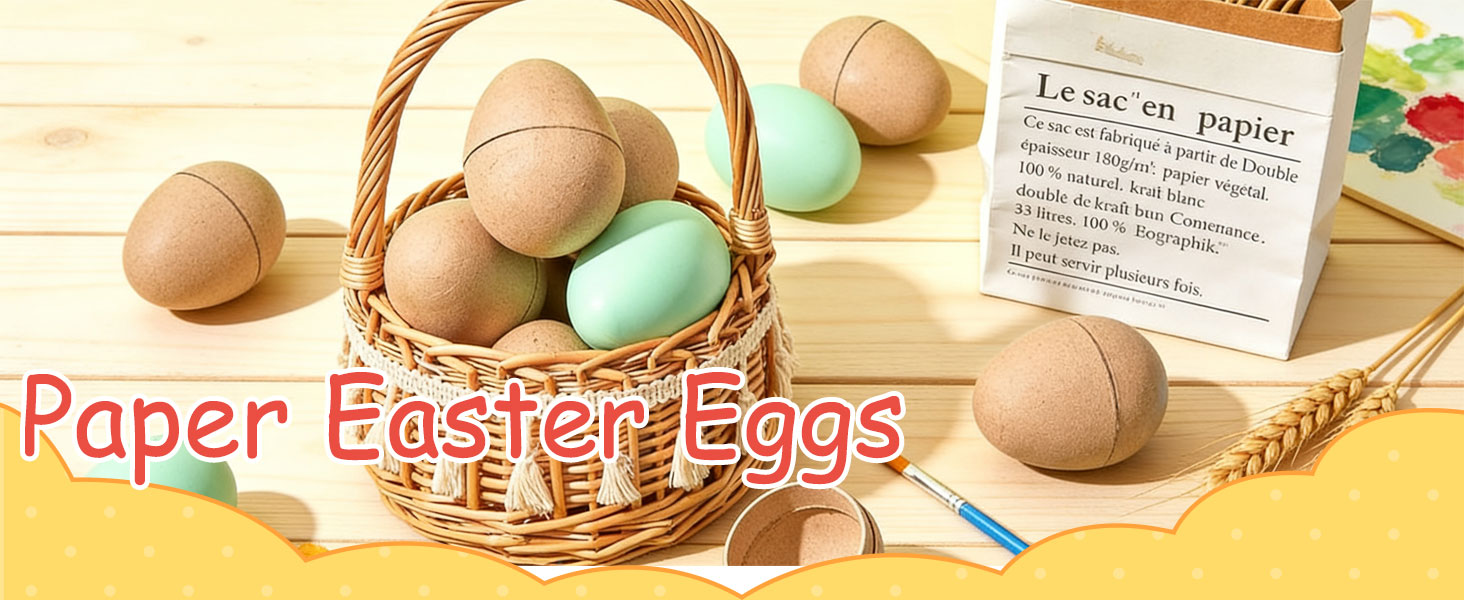
Paper Mache Eggs: The Perfect Paintable Easter Eggs for Crafting Fun
When spring arrives and Easter crafting season begins, few materials offer as much creative freedom as paper mache eggs. These lightweight, smooth-surfaced eggs are a favorite among parents, teachers, and crafters who want Easter eggs for crafts that are easy to handle, durable enough for little hands, and ready for almost any artistic technique. Whether you are planning a classroom activity, a family afternoon of painting, or an elaborate DIY centerpiece, paintable Easter eggs made from paper mache give you a blank canvas that is far more forgiving than real eggs—and far more fun to decorate.
Why Choose Paper Mache Eggs for Your Easter Projects?
Paper mache eggs have a unique advantage: they are solid enough to paint, glue, and embellish, yet light enough to hang from branches or nestle into baskets without weighing them down. Unlike real eggs, they will not crack if they are dropped, and unlike plastic eggs, they accept paint, markers, glitter, and decoupage with excellent results. That makes them ideal for Easter eggs for crafts at every skill level.
- Beginner-friendly: The slightly porous surface grips acrylic paint and glue beautifully.
- Kid-safe: No sharp edges, no fragile shells, and no messy blown-egg process.
- Versatile: Use them for egg hunts, dioramas, garlands, table settings, and homemade gifts.
- Reusable: With a little care, painted paper mache eggs can become part of your Easter decor year after year.
“A paintable Easter egg is an invitation to experiment—there is no wrong color, no messy failure, and no limit to how many designs you can try.”
Getting Started: Prep Your Paintable Easter Eggs
Before you open the paint pots, take a few minutes to prepare your paper mache eggs. Most craft-store eggs arrive ready to decorate, but a light sanding with fine-grit sandpaper can smooth out any rough spots. Wipe them with a dry cloth to remove dust. If you plan to use watercolor or thin craft paint, apply a coat of white primer or gesso first; this helps the color stay vivid and prevents the paper surface from soaking up too much paint.
Helpful Supplies to Gather
- Paper mache eggs in assorted sizes
- Acrylic craft paint or tempera paint
- Paintbrushes in several widths
- Fine-tip markers or paint pens
- Glitter, sequins, washi tape, or tissue paper
- Mod Podge or white craft glue
- Ribbon, twine, and a drying rack
Creative Painting Techniques to Try
The real magic of paintable Easter eggs is how many different looks you can achieve with simple supplies. Try a few of these ideas and let each egg take on its own personality.
Trending technique: Dip half the egg in one color, let it dry, then dip the other half in a contrasting shade. Add tiny dots with a cotton swab for a confetti effect.
Classic Spring Palette
Soft pastels never go out of style. Paint each egg in a single shade of mint, blush, lemon, or lavender, then add delicate white line patterns with a fine brush. A tiny bow at the top turns each one into a hanging ornament.
Bold and Modern Designs
For a more contemporary look, use geometric shapes: stripes, triangles, and color-blocked sections. Painter’s tape can help you create crisp edges. Metallic accents in gold or copper add a sophisticated touch that works well for adult crafters and stylish table displays.
Nature-Inspired Textures
Press small leaves or paper doilies onto a freshly painted egg and peel them away after the paint dries to reveal subtle patterns. You can also sponge-paint one egg with two or three earthy tones to mimic speckled bird eggs.
Beyond Paint: Embellishing Paper Mache Eggs
Paint is only the beginning. Paper mache eggs hold up well to decoupage, so torn tissue paper, stamped images, and old book pages can be glued on with Mod Podge for a vintage look. Glue on tiny flowers, beads, or buttons with craft glue, or wrap the middle of an egg with twine for a rustic farmhouse feel. For an Easter egg hunt, keep the designs simple and seal them with a matte spray so they can be handled repeatedly.
Tip for group crafts: Set up stations for painting, glittering, and ribbon-tying. This keeps supplies organized and lets everyone move through the project at their own pace.
Displaying and Preserving Your Handmade Easter Eggs
Once your paper mache eggs are fully dry, arrange them in a woven basket with shredded paper or fresh straw. You can also thread them onto a garland, place them in small terracotta pots, or use them as name-card holders at the Easter table. To protect your favorite designs, finish them with a clear acrylic sealer. Store them in a padded box away from direct sunlight, and they will be ready to brighten your next Easter celebration.
From simple pastel painting to intricate decoupage, paintable Easter eggs offer endless ways to celebrate the season. Whether you are crafting with toddlers or designing elegant decorations for a spring brunch, paper mache eggs are the durable, affordable, and delightfully creative choice for your next Easter project.