Bird Feeders & Outdoor Accessories: Turn Your Garden Into a Backyard Sanctuary
There is something quietly magical about a garden that hums with life. A flash of crimson at the window, a flutter of wings near the fence, a chorus of chirps at dawn — these small moments cost almost nothing, yet they transform an ordinary outdoor space into something alive. The secret? A well-planned combination of bird feeders and thoughtful outdoor accessories that invite feathered visitors to stay awhile. Whether you have a sprawling backyard or a modest balcony, this guide will walk you through the essentials of building a feeding station that is beautiful, practical, and genuinely good for the birds.
Why a Bird Feeder Is More Than a Pretty Addition
Hanging a feeder is an act of hospitality, but it is also an act of conservation. As natural habitats shrink and seasons grow more unpredictable, backyard feeding stations provide a reliable source of energy during migration and harsh winters. Just as importantly, they create a front-row seat to nature. You will start noticing things you never did before — the way a chickadee grabs a seed and darts to a branch to crack it open, or how a woodpecker braces itself against a suet cage.
And the rewards go beyond birds. A garden with a feeder tends to attract pollinators, beneficial insects, and a whole micro-ecosystem that makes the outdoors feel richer.
Choosing the Right Feeder for Your Space
Not all feeders are created equal, and the one you choose should match both your local bird population and your patience for cleaning. Here is a quick rundown of the most popular styles:
- Hopper feeders — The classic wooden or plastic house-style feeder. Easy to fill, holds a lot of seed, and attracts cardinals, finches, and jays.
- Tube feeders — Slim, hanging cylinders with multiple perches. Perfect for small birds like chickadees and goldfinches, and they keep seed dry.
- Nyjer socks — A mesh bag of tiny thistle seed that finches adore. Inexpensive and wonderfully low-maintenance.
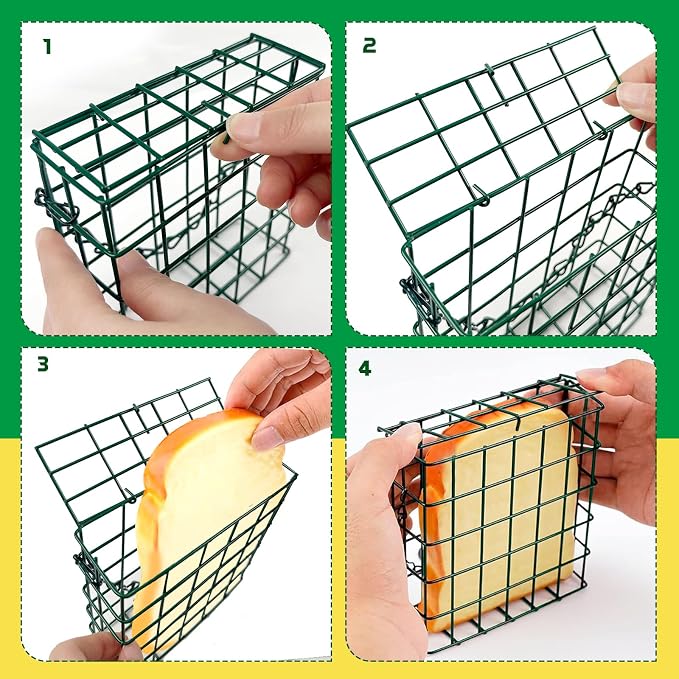
- Suet cages — Blocks of rendered fat that fuel woodpeckers, nuthatches, and wrens through cold months.
- Platform and tray feeders — Open designs that welcome ground-feeding species such as doves and juncos.
A tip from experienced birders: start with two or three different styles rather than one large feeder. Variety draws a wider cast of characters and reduces crowding.
Matching Seed to Your Visitors
The seed you serve matters as much as the feeder itself. Cheap mixes often contain fillers like milo and wheat that most birds simply kick onto the ground. Consider this quick reference:
| Seed Type | Best For | Notes |
|---|---|---|
| Black oil sunflower | Nearly all songbirds | High fat, thin shell, universal favorite |
| Nyjer (thistle) | Finches, siskins | Requires a fine mesh feeder |
| Shelled peanuts | Woodpeckers, jays, titmice | Mess-free but spoils quickly in humidity |
| White millet | Sparrows, doves, juncos | Best scattered on a tray or the ground |
Placement: Where You Hang It Matters
A feeder in the wrong spot becomes a liability instead of a delight. Follow these guidelines to keep birds safe and views clear:
- Keep it close to cover — Place feeders within 3 to 10 feet of shrubs or trees so birds can dash to safety from predators.
- Stay away from windows — Either very close (under 3 feet) or well beyond 30 feet; the middle distance is where collisions happen.
- Choose a sheltered spot — A windbreak of evergreens keeps seed dry and gives birds a calm place to rest.
- Make it visible — Position at least one feeder where you can see it from a favourite chair or kitchen window.
- Protect from cats and squirrels — Use a pole-mounted baffle and keep the area beneath the feeder tidy.
“A feeder is not a decoration — it is a commitment. Clean it, fill it, and the birds will repay you every single morning.”
Outdoor Accessories That Complete the Picture
Feeders get all the attention, but the surrounding accessories are what make a feeding station feel intentional. A birdbath with gently moving water will attract more species than seed alone, especially during migration. A squirrel baffle or a separate “decoy” corn feeder can save your seed budget and your sanity. Shepherd's hooks and pole systems let you rearrange feeders seasonally without drilling into trees.
Then there are the touches that serve you as much as the birds: a weatherproof seed storage bin to keep sunflower hearts fresh, a hummingbird nectar feeder for the warm months, a nesting box mounted on a quiet post, and a solar garden light or two to extend your viewing hours into dusk. Even a simple deck hook or window-mounted feeder can turn an apartment balcony into a wildlife hotspot.
Don't Forget the Cleanup Kit
Every feeding station needs a small maintenance arsenal: a stiff brush, a bottle brush for tube feeders, a mild bleach solution (one part bleach to nine parts water), and a pair of gloves. Clean feeders every two weeks — more often in humid weather — to prevent mould and disease. Keep a seed scoop and a trash bag handy, and sweep up hulls regularly to discourage rodents.
The Simple Joy of a Living Garden
You do not need an elaborate setup or an expensive shopping list to begin. A single tube feeder filled with black oil sunflower seed, hung near a shrub, is enough to start the parade. Add a birdbath, a suet cage for winter, and a comfortable chair with a view, and you have built something rare: a small, deliberate sanctuary.
The birds will find you. And once they do, you will wonder how your garden ever felt complete without them.