The Enduring Value of Collectible Coins, Challenge Coins, and Sobriety Coins
Coins have always carried stories. They pass through hands, cross borders, and mark moments both ordinary and extraordinary. Today, three categories stand out for their emotional and historical resonance: collectible coins, challenge coins, and sobriety coins. Each offers a different entry point into the world of numismatics and personal meaning, and each deserves a closer look.
Collectible Coins: A Gateway to History and Heritage
Beyond face value. A collectible coin is never just a piece of metal. It is a snapshot of a nation’s artistry, economy, and political identity. Whether you are drawn to ancient Roman denarii, American Morgan silver dollars, or modern commemorative issues, collecting invites you to become a curator of history. The thrill lies in the hunt—scanning dealer trays, bidding at auctions, and learning to read mint marks, die varieties, and grading scales.
Condition is everything. Two identical coins can differ dramatically in value based on wear, surface quality, and originality. That is why serious collectors study grading standards and invest in proper storage. Archival-safe holders, consistent humidity control, and careful handling protect both beauty and value. For beginners, the best approach is to choose a focused theme—by country, era, design, or metal—rather than buying randomly.
What Makes a Coin Collectible?
- Rarity: Low mintage figures and limited releases create demand.
- Condition: Uncirculated examples often command premiums.
- Historical significance: Coins tied to major events attract strong interest.
- Design appeal: Iconic artwork and skilled engraving add lasting value.
Challenge Coins: Symbols of Brotherhood and Belonging
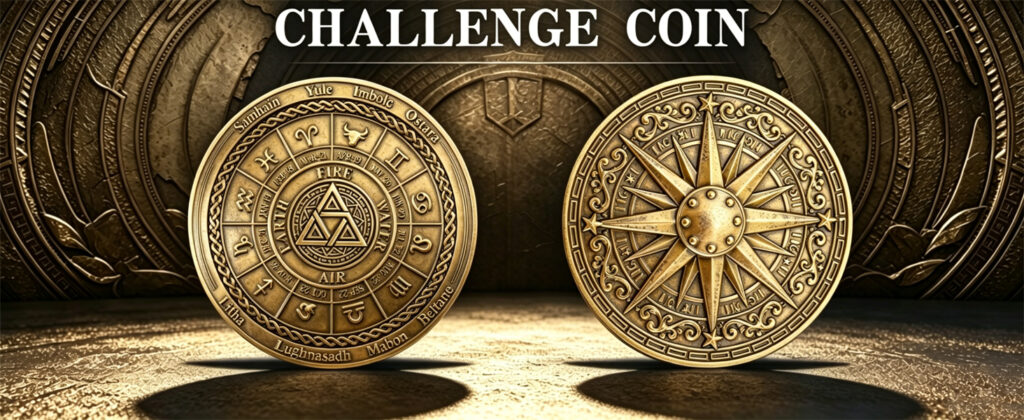
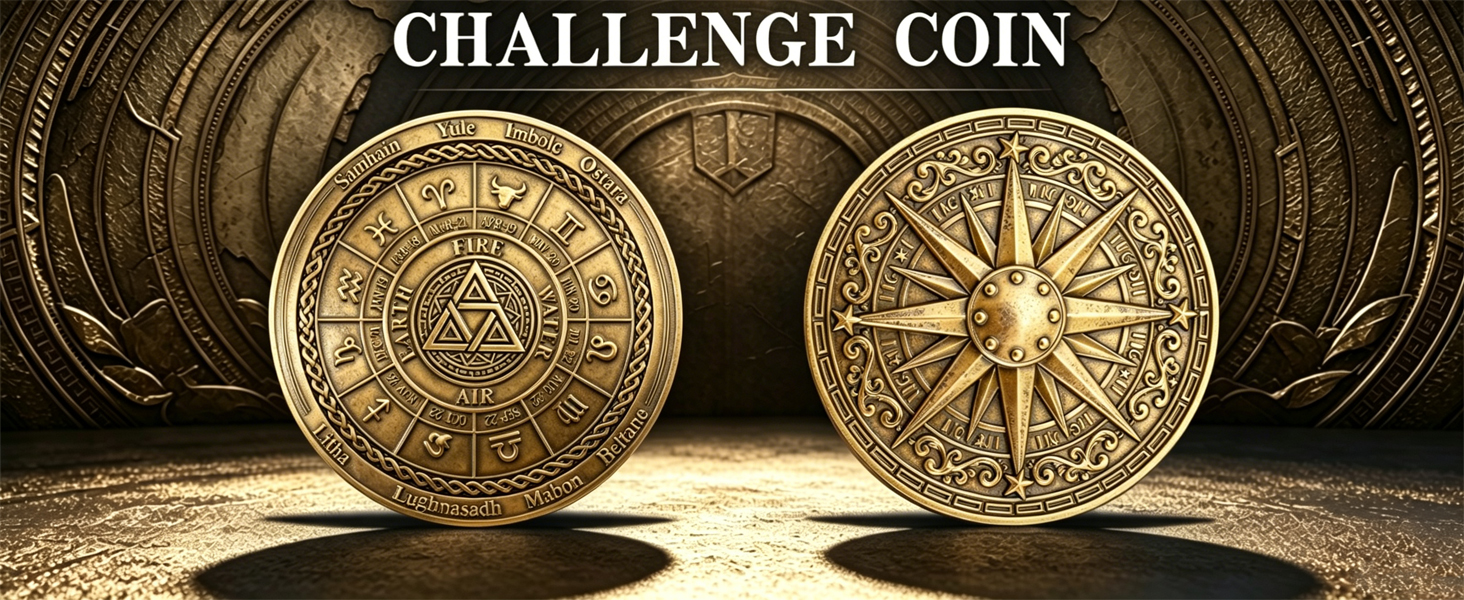
A tradition with military roots. Challenge coins began as tokens of identity and camaraderie among service members. Today, they are exchanged across military units, first-responder teams, corporate groups, and private clubs. A well-designed challenge coin carries a unit crest, a motto, or a mission statement—small details that speak volumes to those who share the story. The ritual of the “coin check” adds an element of fun and tradition, reminding members that they belong to something larger than themselves.
More than a souvenir. Unlike medals displayed behind glass, challenge coins are meant to be carried. They sit in pockets, rest on desks, and travel to deployments and reunions. That tactile connection makes them powerful gifts for promotions, retirements, and team milestones. When choosing a challenge coin, pay attention to weight, enamel quality, and edge detailing. A coin that feels substantial and features crisp engraving will be treasured for decades.
“A challenge coin is not simply collected; it is earned, shared, and remembered.”
Design That Tells a Story
The strongest challenge coins combine clear symbolism with visual restraint. A single emblem, a concise motto, and a meaningful color palette often outperform crowded layouts. Custom shapes and textured finishes can elevate the design, but the core message should remain legible at a glance. Whether the theme is military service, firefighting, or a corporate anniversary, the coin should feel purposeful from every angle.
Sobriety Coins: Small Tokens, Monumental Milestones
Recovery in your pocket. Sobriety coins—sometimes called sobriety tokens or medallions—mark days, months, and years of recovery from addiction. They are simple objects with profound weight. For many people, receiving a coin at a meeting is a moment of public recognition and private reflection. The coin becomes a physical reminder of commitment, resilience, and the support of a community. Common designs include the Serenity Prayer, Roman numerals for years, and inspirational phrases such as “One Day at a Time.”
A gift of encouragement. Sobriety coins also make thoughtful gifts for friends and family members in recovery. Choose a design that respects the recipient’s personal journey—some prefer traditional medallions, while others appreciate modern typography or nature-inspired motifs. Pairing a coin with a handwritten note or a recovery-themed journal can deepen its meaning. Over time, these small tokens accumulate into a tangible timeline of progress and hope.
Building a Thoughtful Collection
Start with meaning, not volume. The most rewarding collections reflect personal values and curiosity. If history fascinates you, focus on collectible coins from a specific era. If you value service and teamwork, seek out challenge coins from units and organizations you admire. If recovery is part of your story, sobriety coins can become a meaningful chronicle of milestones. Display options range from felt-lined drawers and albums to shadow boxes and coin capsules. Label each piece with the story behind it—where you found it, who gave it to you, and why it matters.
Care and community. Avoid cleaning coins with abrasive materials, and store them away from direct sunlight and moisture. Join local coin clubs or online forums to learn from experienced collectors. Attend shows, ask questions, and handle coins with clean hands or cotton gloves. The social side of collecting is often as rewarding as the objects themselves.
Final Thoughts
Whether you are drawn to the historical depth of collectible coins, the camaraderie of challenge coins, or the personal triumph represented by sobriety coins, these small objects carry outsized meaning. They connect us to the past, to each other, and to the milestones that shape our lives. Start with one coin that speaks to you, and let the story unfold from there.